


Long-distance races are among the most traditional disciplines in motorsport. As early as the beginning of the 20th century, the first major endurance competitions were held in Europe. Among the most significant early events were the Gordon Bennett Race of 1904 in Bad Homburg, which is considered an important milestone in international motorsport.

Long-distance sport with a rich motorsport history
With the construction of permanent race tracks such as the Nürburgring and the Hockenheimring, motorsport increasingly shifted from public roads to specially designed race facilities. Races over 300, 500, or even 1000 kilometers quickly developed into true attractions for the public and became a testing ground for technical innovations, reliability, and endurance.
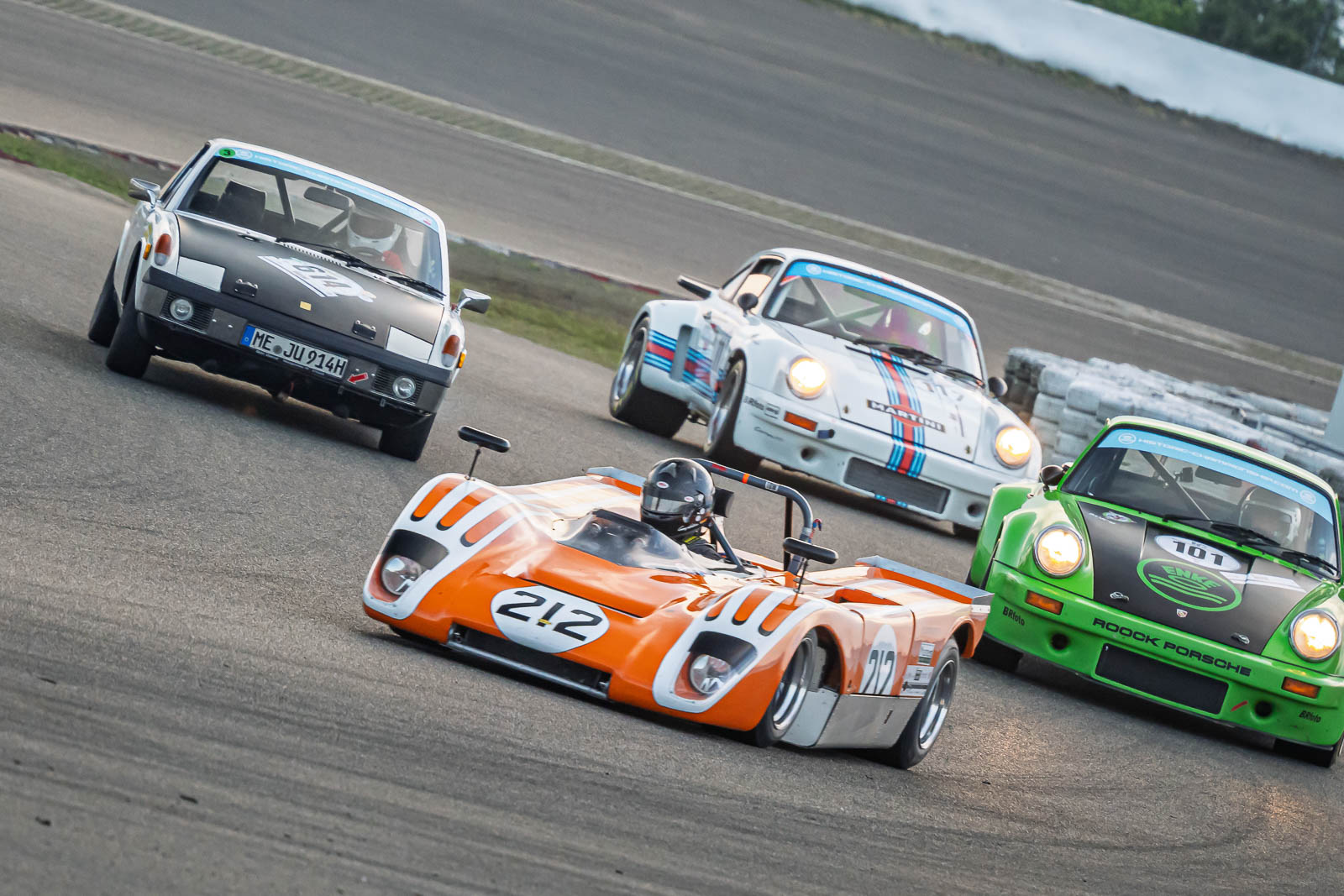
Historic Championship ’81 continues the endurance tradition
This special motorsport culture continues today in the Historic Championship ’81. As Germany’s oldest historic racing series and part of the German Historical Automobile Championship (DHAM), the series brings GT and touring cars from 1981 onwards and selected racing cars back onto the track.
The races are 90-minute long, including mandatory pit stops – a format that requires not only driving skills but also perfect strategy and well-coordinated teamwork. It is this combination that has made classic long-distance racing so fascinating for decades.
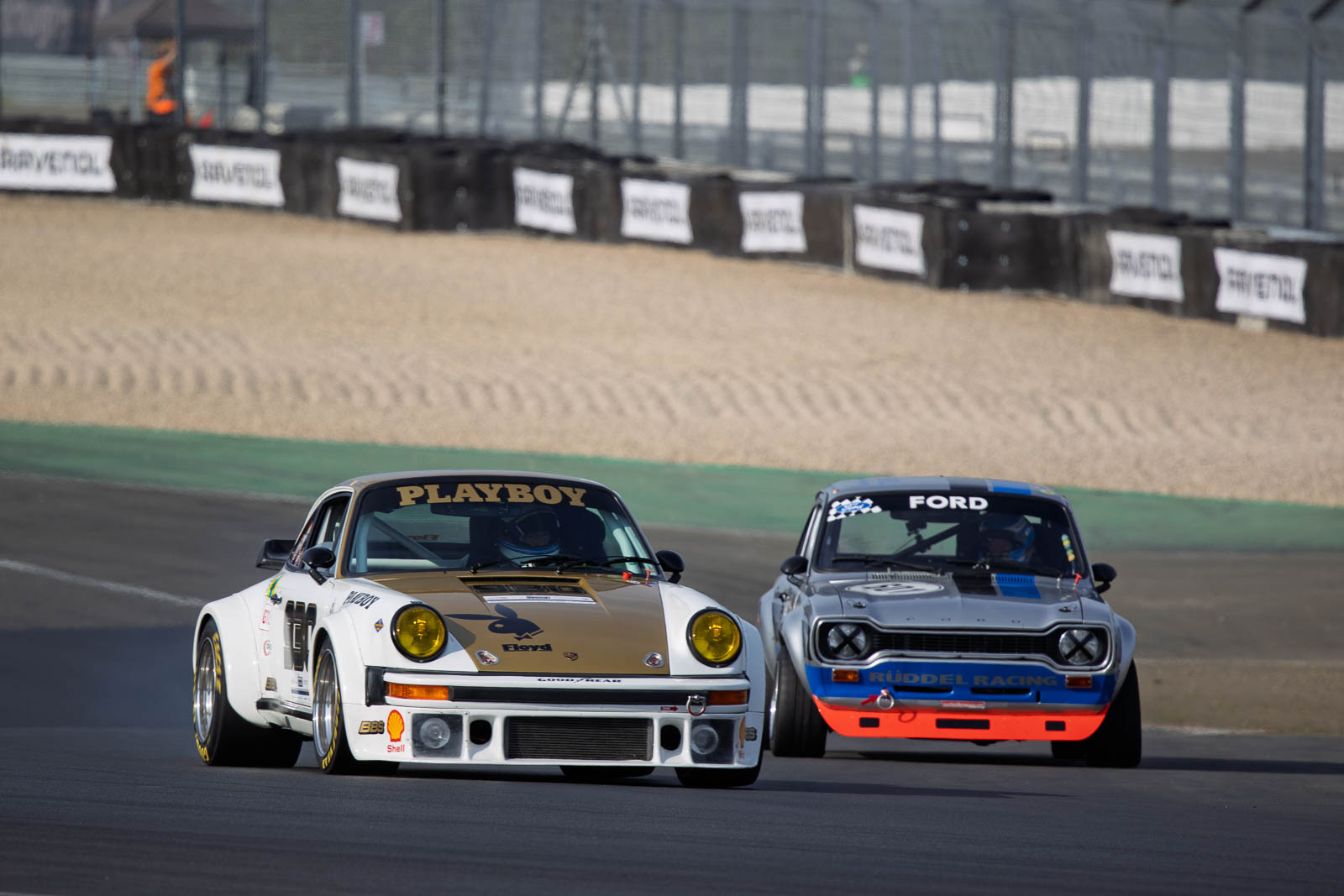
Iconic figures in motorsport from the 60s to the 80s in direct competition
The grid of the Historic Championship ’81 brings together numerous automotive icons from the 1960s to the early 1980s. The range of participating vehicles extends from the compact touring car to the powerful GT vehicle.
For spectators, this creates an impressive image of historical racing technology in action. At the same time, drivers and teams experience a real long-distance race, where only perfectly coordinated actions, consistency, and reliability determine success or failure.
