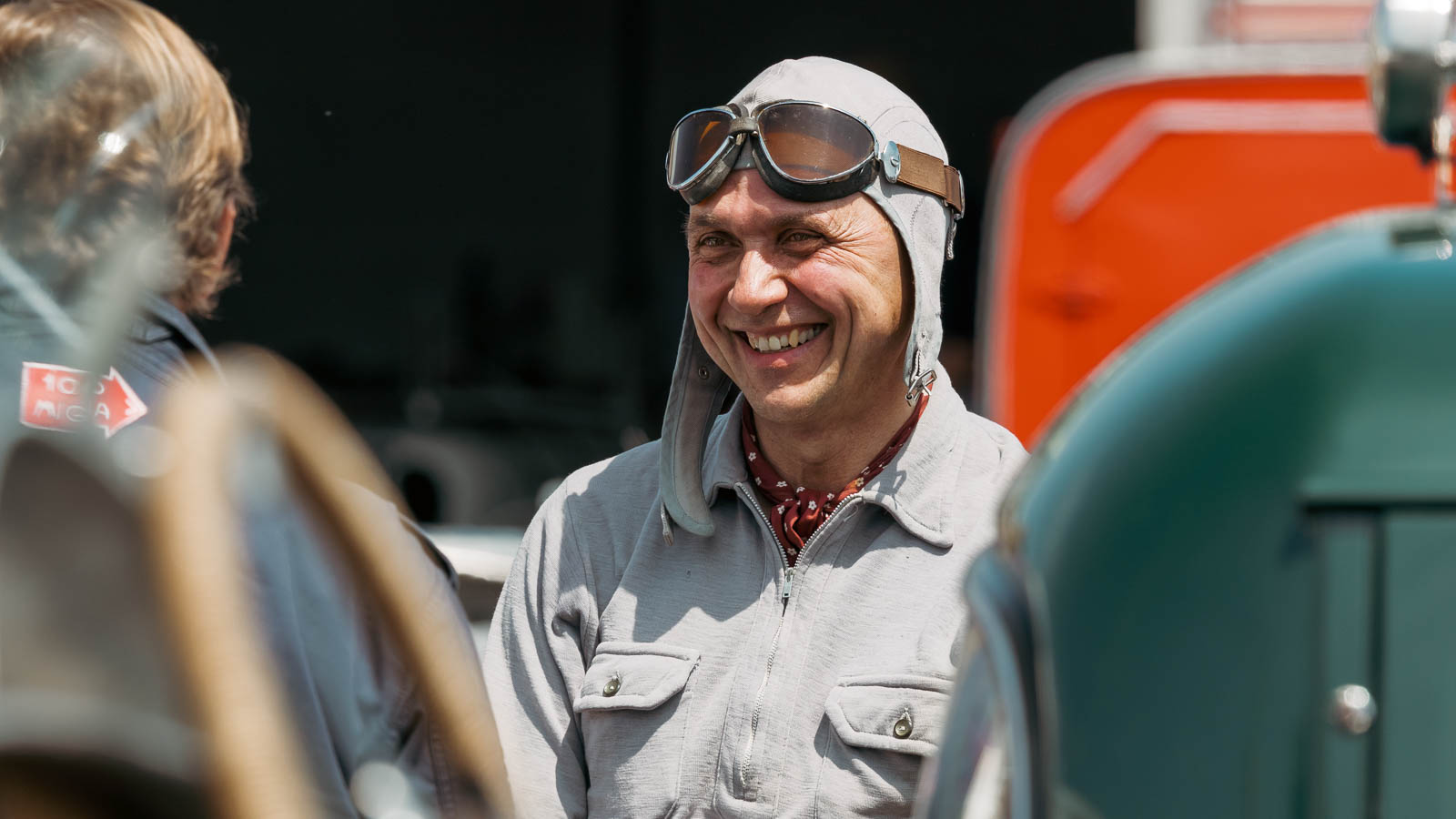
The historic paddock, dating from 1927, will once again be a major highlight of the Nürburgring Classic 2026. The authentically preserved building complex, with its distinctive corrugated iron facades, is regarded as one of the last remaining original examples of the circuit’s early history and continues to convey the spirit of the pioneering days of motorsport.
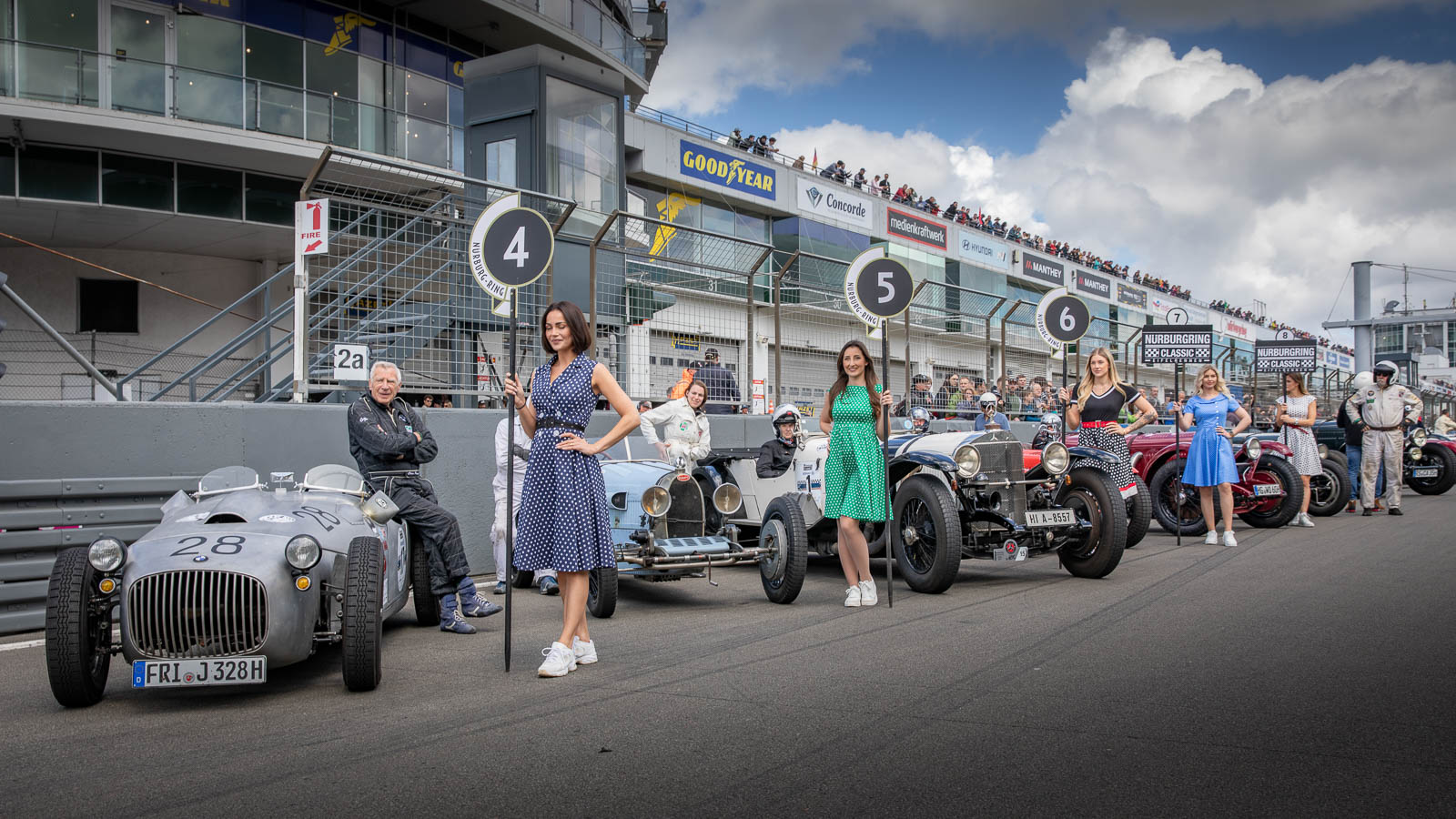
Around 100 vehicles built between 1916 and 1949 are expected to be on display here in 2026 as well. In the old paddock at the Eifel circuit, participants and visitors will embark on an impressive journey through time, bringing the origins of the Nürburgring to life. The moment you step onto the site, you are enveloped in an atmosphere that allows you to truly experience the historic character of the track.
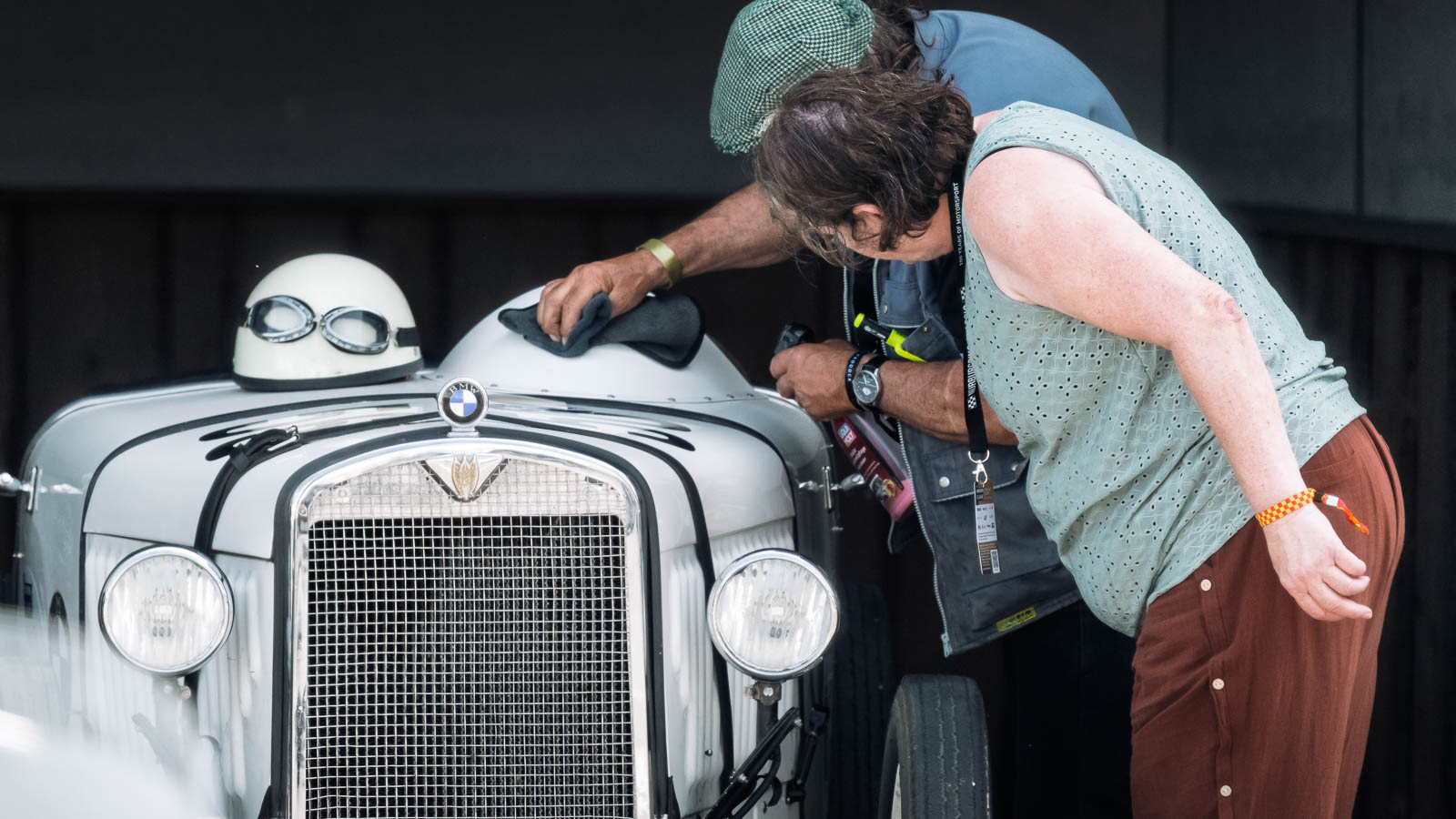
The origins of the Nürburgring’s history as a race track
From the very beginning, the old paddock was the heart of Germany’s first mountain, racing and test track. The history of the Nürburgring officially began here with the first ADAC Eifel Race in June 1927. Even before the track was fully asphalted, the site served as the central working and preparation area for teams, mechanics and drivers.
The garage fronts still standing today date back to this period and have not been replaced since 1927. Despite numerous repairs and coats of paint, their structure has been preserved and they are regarded as a unique technical and architectural testament to the early history of motorsport.
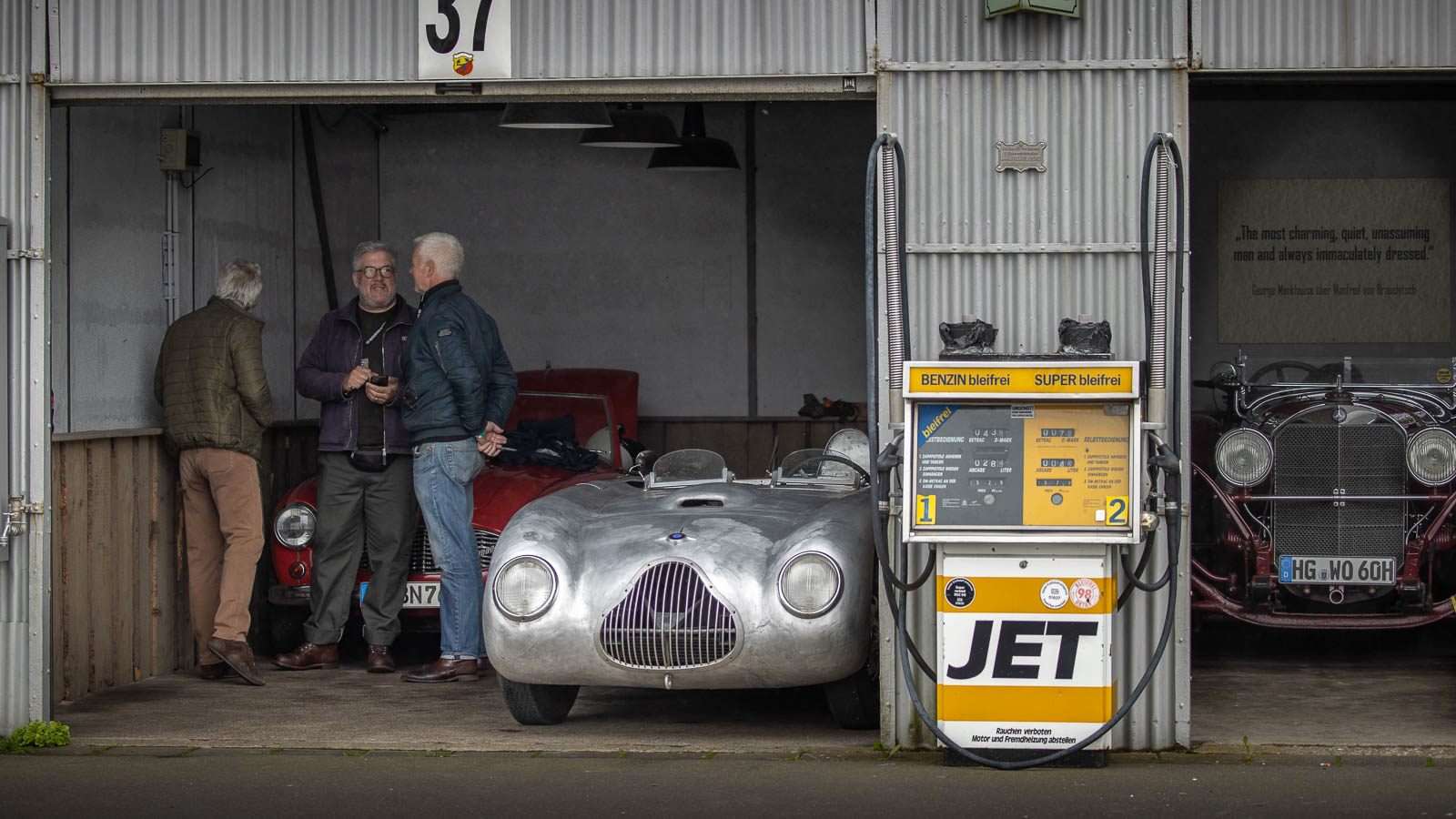
Pre-war vehicles and legendary brands in action
In 2026, the historic paddock will once again be home to a host of pre-war and early post-war vehicles that embody the spirit of the racing pioneers. These include the Mercedes SSK, Bugatti, MG, Wolseley Hornet, Riley, Lagonda, Bentley, Alfa Romeo, Jaguar 100 SS and the legendary Veritas models from the early post-war period.
The diversity of makes and nations is just as impressive as the technical range. Vehicles from Alvis, Frazer Nash, Delage and Aston Martin, as well as BMW models such as the 315, 319 and 328, stand side by side in the historic setting. British manufacturers such as Morris and Rover are also regularly represented.
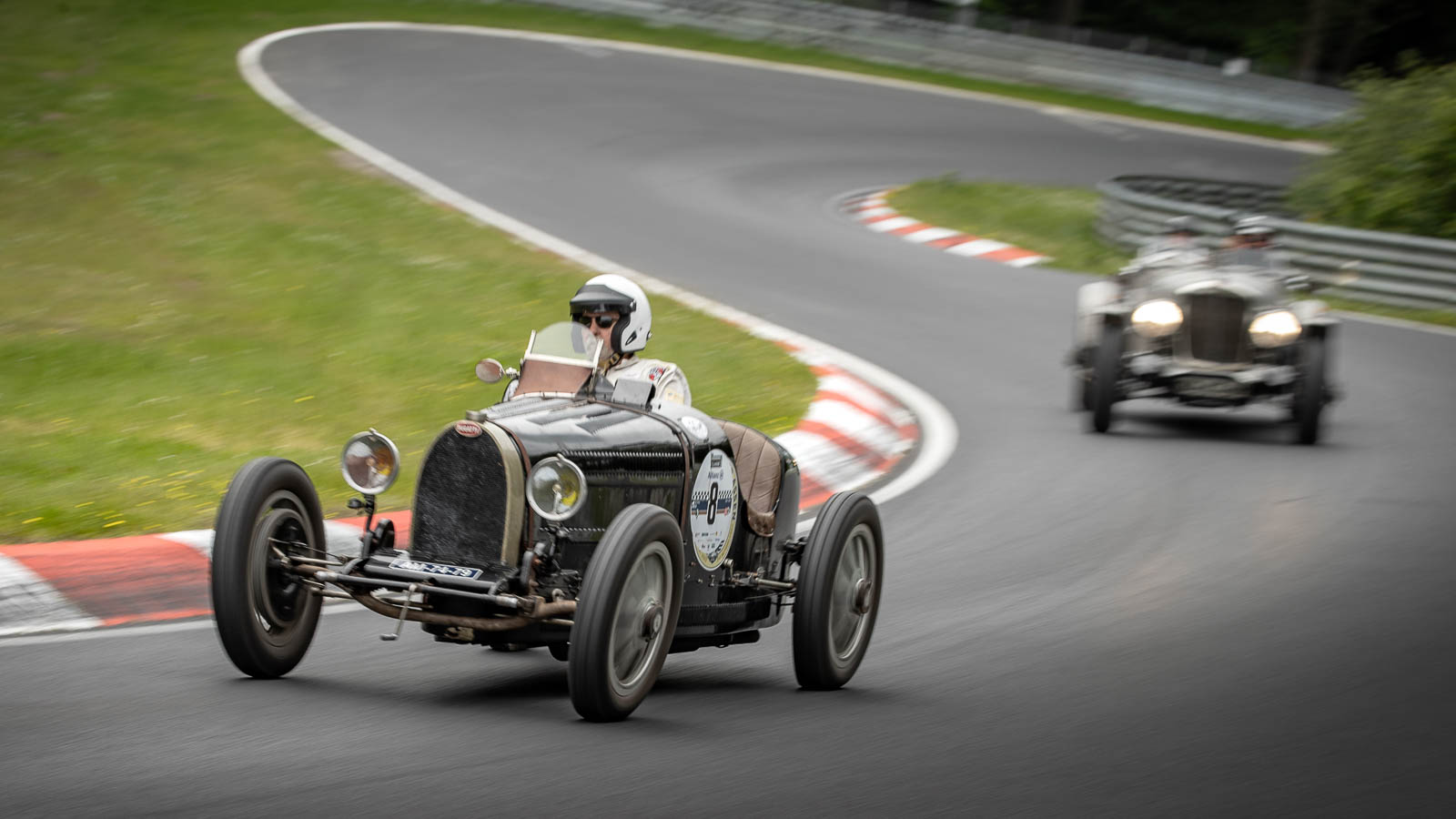
Community, driving culture and the Nordschleife experience
A particular highlight is the rapidly growing group of Wolseley Hornet cars, which attract attention as a ‘swarm of hornets’ with their supercharged engines, combining a sporty character with a friendly demeanour. The meet is characterised by an open-minded driving culture, a spirit of sharing, and a genuine enthusiasm for automotive history.
Members of the Classic Drivers Club are always on hand to chat with visitors and offer technical insights. Spontaneous opportunities for lifts or test drives often arise. The club has been organising the event for over 15 years and actively promotes intergenerational contact.
Drives on the Nürburgring Nordschleife are also a regular feature of the programme. The 21-kilometre route through the Eifel is regarded as a demanding stretch of tarmac and offers pre-war vehicles an exceptional combination of challenge and driving pleasure – an authentic experience of historic motorsport culture.